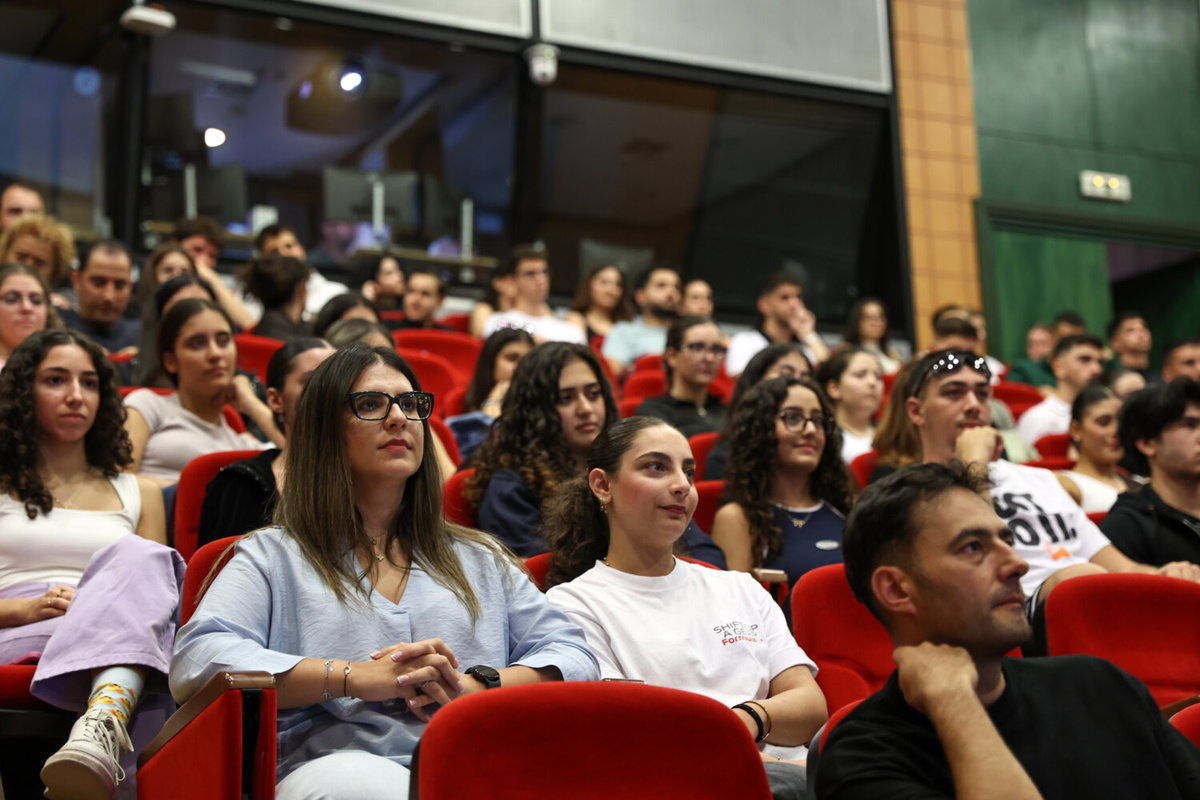
Medical Degree English Program in Larissa: What Is Its Impact on the Local Economy? By Kostas V. Galanos | Source: prosopa.net The establishment and operation of foreign-language degree programs offered by Greece's public higher education institutions to international students represent a significant initiative undertaken by university administrations and academic faculty. Revenue generated from tuition fees can contribute to the further development of public universities, the creation of new employment opportunities, the funding of research programs and, more broadly, the dissemination of knowledge among international students. There is no doubt that the city of Larissa, the region of Thessaly and Greece as a whole stand to benefit in multiple ways from the Medical Degree English Program offered by the Department of Medicine at the University of Thessaly. The Program is currently in its second year of operation, with 50 international students enrolled in each academic year. Approximately 80% of these students come from Cyprus, while the remaining 20% originate from other countries. These students are expected to reside in Larissa for at least six years while completing their medical studies. Photo caption: A moment from the Open Day of the Medical Degree English Program at the University of Thessaly, held at the Hippocrates Amphitheatre on the Biopolis Campus in Larissa (September 24, 2025). Economic Impact on the University Tuition Fees For both the current and previous academic years, annual tuition fees for the Medical Degree English Program in Larissa have been set at €12,000 per student. Based on these figures, a cohort of 50 students generates approximately €600,000 in annual tuition revenue for the University of Thessaly. Over the full six-year duration of their studies, total tuition revenue from this cohort is projected to reach €3.6 million. Salaries The estimated annual salary expenditure for personnel employed within the Program amounts to €300,000. Photo caption: Professor Aristidis Zibis, Head of the Department of Medicine at the University of Thessaly. Inflow of Funds from Abroad All students enrolled in the Program come from abroad, bringing additional financial resources into Larissa and the Greek economy. The first cohort of 50 students is expected to generate a steady flow of expenditure in the local market throughout the six-year duration of their studies. This includes accommodation and living expenses, such as rent, food and transportation, as well as retail purchases and other everyday spending. Estimated monthly expenditure per student ranges from €800 to €1,500. For a cohort of 50 students, this translates into approximately €400,000 to €750,000 annually, or between €2.4 million and €4.5 million over six years, assuming students complete their studies within the minimum prescribed period. According to the estimates presented, the direct economic impact of student spending on the local economy is expected to reach or even exceed €11.7 million in total over the six-year study period. Photo caption: Professor Dimitrios Bogdanos, Professor of Medicine at the University of Thessaly and Director of the Medical Degree English Program. Final Thoughts The Medical Degree English Program at the University of Thessaly generates a positive economic impact on the city of Larissa by attracting funds from abroad and creating a chain of economic activity that benefits the region both financially and socially. At the same time, the Program significantly strengthens the University's ability to fulfill its educational and academic mission, providing high-quality services to both its students and the wider local community. This initiative represents an important opportunity for Thessaly and Greece as a whole. Similar initiatives by other public higher education institutions could further enhance the competitiveness of Greek higher education and contribute to improving the quality of education offered to students. About the author: Kostas V. Galanos is a graduate of the Hellenic Open University, Department of Business Administration and Organizations.

By Kostas V. Galanos | Source: prosopa.net

The establishment and operation of foreign-language degree programs offered by Greece’s public higher education institutions to international students represent a significant initiative undertaken by university administrations and academic faculty. Revenue generated from tuition fees can contribute to the further development of public universities, the creation of new employment opportunities, the funding of research programs and, more broadly, the dissemination of knowledge among international students.

There is no doubt that the city of Larissa, the region of Thessaly and Greece as a whole stand to benefit in multiple ways from the Medical Degree English Program offered by the Department of Medicine at the University of Thessaly.

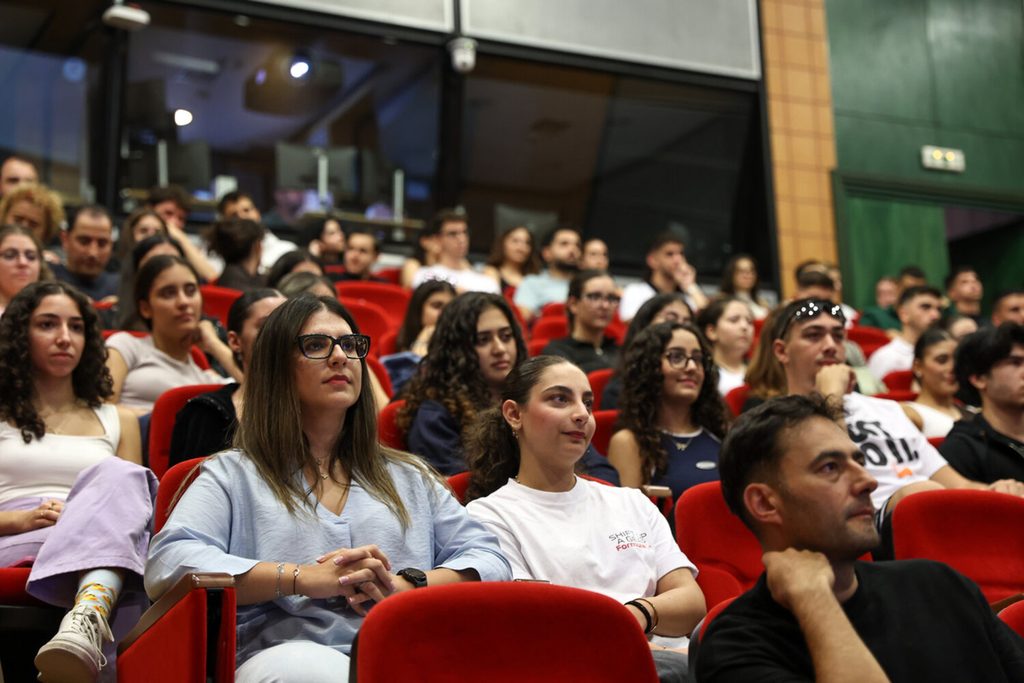
The Program is currently in its second year of operation, with 50 international students enrolled in each academic year. Approximately 80% of these students come from Cyprus, while the remaining 20% originate from other countries. These students are expected to reside in Larissa for at least six years while completing their medical studies.
Economic Impact on the University

Tuition Fees

For both the current and previous academic years, annual tuition fees for the Medical Degree English Program in Larissa have been set at €12,000 per student.

Based on these figures, a cohort of 50 students generates approximately €600,000 in annual tuition revenue for the University of Thessaly. Over the full six-year duration of their studies, total tuition revenue from this cohort is projected to reach €3.6 million.

Salaries

The estimated annual salary expenditure for personnel employed within the Program amounts to €300,000.

Photo caption: Professor Aristidis Zibis, Head of the Department of Medicine at the University of Thessaly.

Inflow of Funds from Abroad

All students enrolled in the Program come from abroad, bringing additional financial resources into Larissa and the Greek economy.

The first cohort of 50 students is expected to generate a steady flow of expenditure in the local market throughout the six-year duration of their studies. This includes accommodation and living expenses, such as rent, food and transportation, as well as retail purchases and other everyday spending.

Estimated monthly expenditure per student ranges from €800 to €1,500. For a cohort of 50 students, this translates into approximately €400,000 to €750,000 annually, or between €2.4 million and €4.5 million over six years, assuming students complete their studies within the minimum prescribed period.

According to the estimates presented, the direct economic impact of student spending on the local economy is expected to reach or even exceed €11.7 million in total over the six-year study period.

Final Thoughts

The Medical Degree English Program at the University of Thessaly generates a positive economic impact on the city of Larissa by attracting funds from abroad and creating a chain of economic activity that benefits the region both financially and socially. At the same time, the Program significantly strengthens the University’s ability to fulfill its educational and academic mission, providing high-quality services to both its students and the wider local community. This initiative represents an important opportunity for Thessaly and Greece as a whole. Similar initiatives by other public higher education institutions could further enhance the competitiveness of Greek higher education and contribute to improving the quality of education offered to students.

Original article: prosopa.net